The Dwarf Reptile Project
How to get SMAL: Using insular dwarfism to understand Shared Molecular mechanisms Across Life history traits.
The island rule explains how animals isolated on islands often evolve to be larger or smaller than their mainland relatives, a phenomenon called island dwarfism. This has been observed in species like tiny elephants, small deer, and even miniature humans (Homo floresiensis). Island life also affects traits like growth, reproduction, and lifespan, which are influenced by both the environment and complex genetic mechanisms. While limited resources on islands may explain why dwarfism happens, the specific genes, hormones, and cellular processes determine how it occurs and how these traits are connected. In this context, this project focuses on reptiles from the California Channel Islands and mainland California to study these changes.
The work integrates data across biological levels to study the relationship between physiology, life-history traits, and molecular mechanisms in island vs mainland populations. Using techniques like mark-recapture, field ultrasound, and molecular assays, we look at how body size, growth, genomic diversity, and reproduction compare within and between populations. By combining these data, we would like to uncover shared mechanisms regulating body size and reproduction across species. This research will not only advance understanding of how genes and environment shape complex traits but also develop tools useful for conservation, agriculture, and reptile health in both natural and zoo populations.
Drivers of Diversification
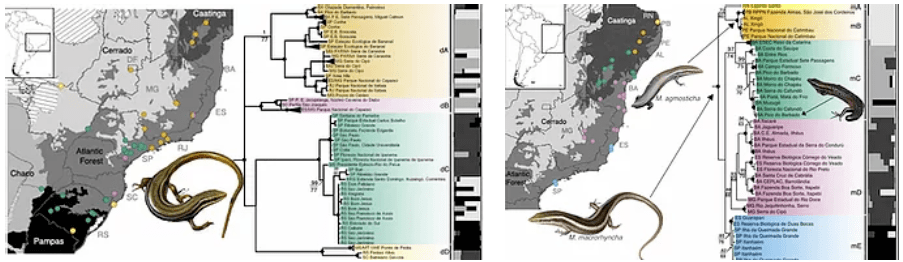
One of my main interests revolves around finding and describing geographic and environmental patterns and drivers of evolution. I’m interested in what drives genomic diversity and diversification in tropical reptiles and amphibians. Mainly I have focused on widespread species which occur across heterogeneous landscapes and environments in the South American Tropics.
To do this, I have sequenced DNA from related skink lizards and used population and landscape genomics to test for levels of gene flow and genetic divergence across geographic and environmental gradients.
Caribbean Speciation
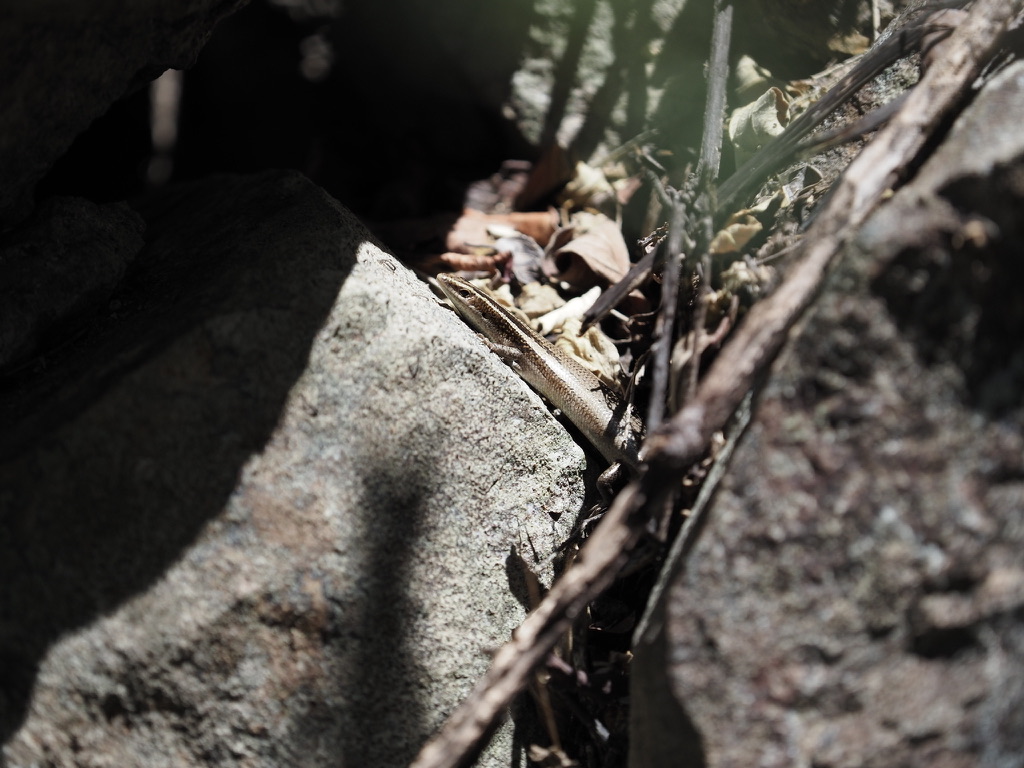
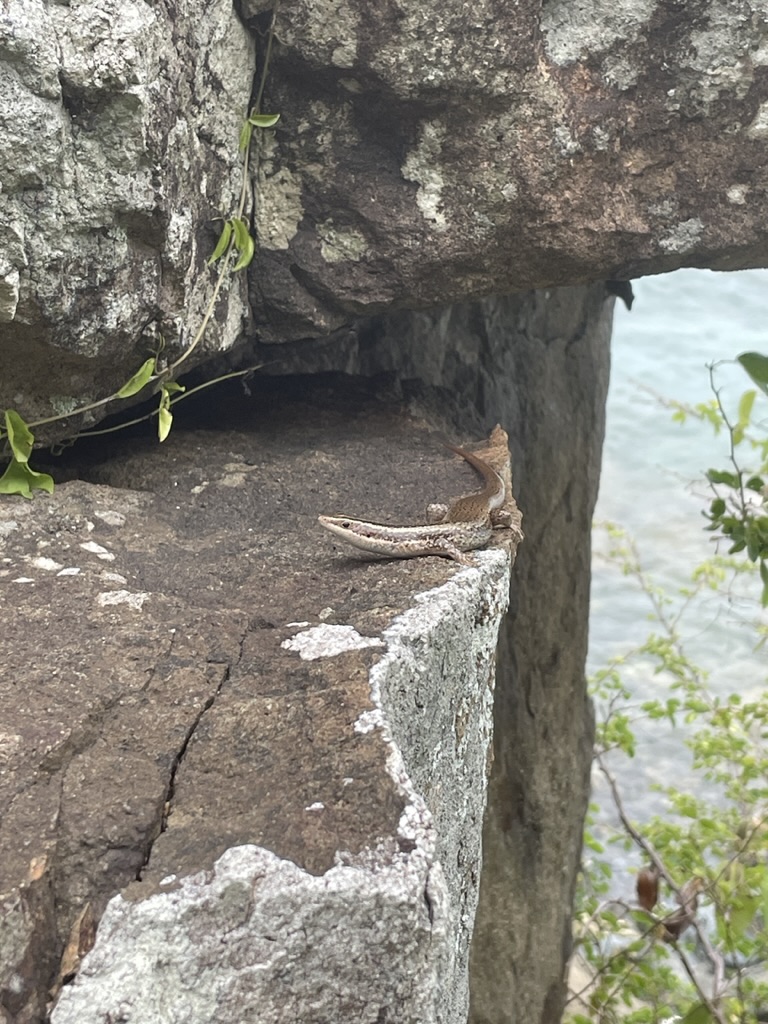
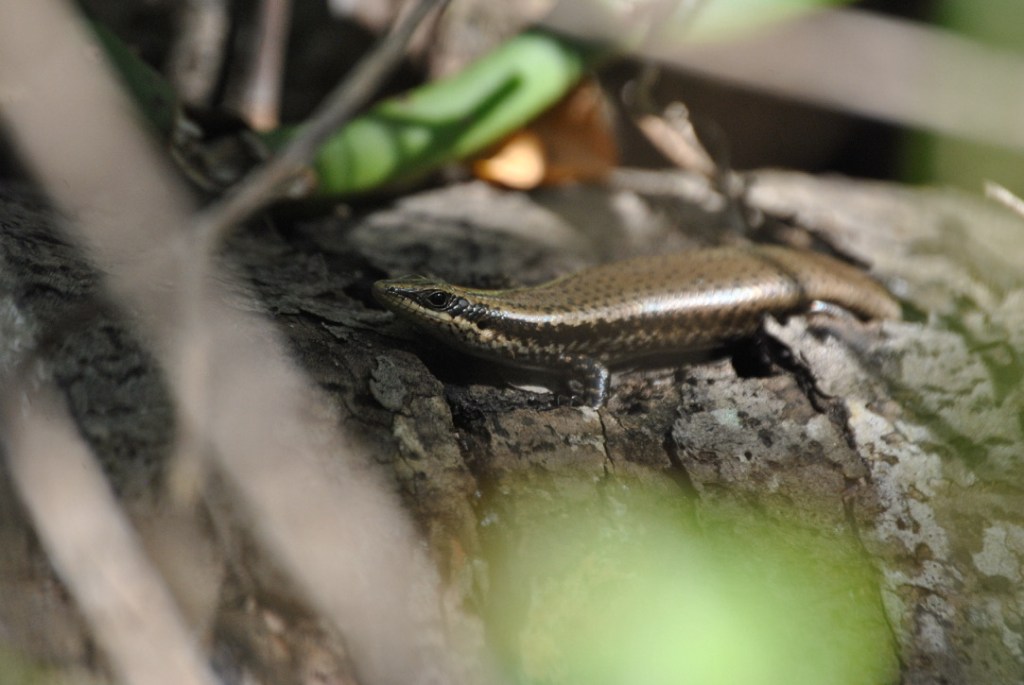
It is critical to document biodiversity, but most especially in regions which are at risk of species loss. In the Caribbean, multiple skink species have recently been described from existing museum specimens, however their current status as species, their ecology, and current population dynamics are not known. Working with US Fish & Wildlife, we have been conductive surveys across Puerto Rico and the US Virgin Islands to document presence of skinks belonging to the genus Spondylurus and collecting genetic data in the attempt to understand species limits and population dynamics across the group.
This data is important in identifying the future risks to species in this region, which are exposed to dangerous introduced predators and at risk of human-mediated habitat loss and climate change.
Adaptation across Landscapes
Contrasting local environments and complex genomic phenomena are known to influence selection within species through local adaptation. I aim to uncover how different landscapes and demographic change within species influence intra-specific adaptive responses within the genomes of co-distributed taxa across contrasting environments and within genetically complex species.
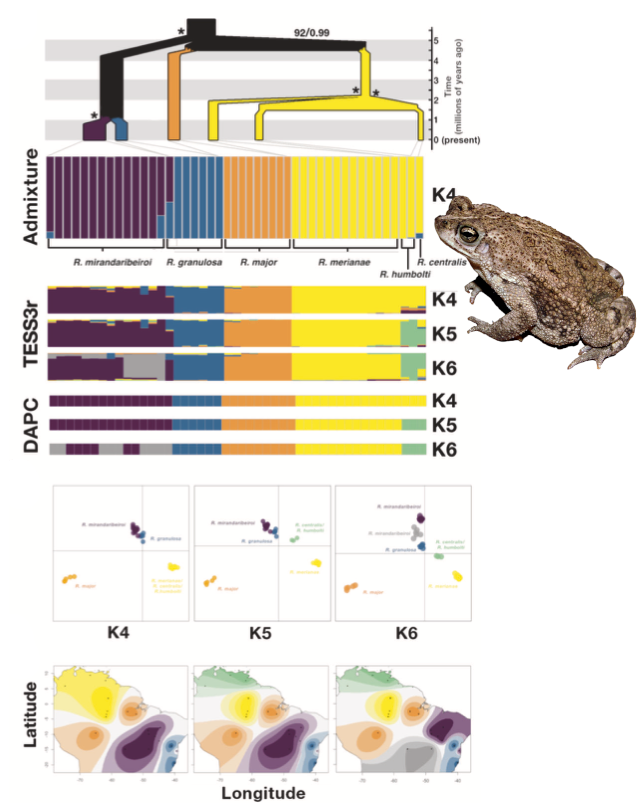
I have also utilized multiple populations from Rhinella marina and Rhinella granulosa toads, which are thought to hybridize, as well as skinks (Mabuya) and geckos (Gymnodactylus) distributed from southern Central America, through the Amazon, and across the Brazilian Cerrado and Caatinga into the Atlantic Rain Forest to test how complex demographic processes may have shaped the current diversity we see in these groups today.

The Neotropics
The Neotropics are home to a wide array of lanscapes and biodiversity. From the tropical Amazon and Atlantic forests and the dry open savannas (Cerrado) and xeric habitats (Caatinga) of the mainland to the unique and complex islands of the Caribbean, the highly-contrasting landscapes in this region both promote and harbor extensive amounts of biodiversity. These regions are also home to some amazing scientists and precious resources of international collaboration and expertise. All of this renders the Neotropics as a whole, an ideal place for studying the patterns and mechanisms which drive biodiversity!
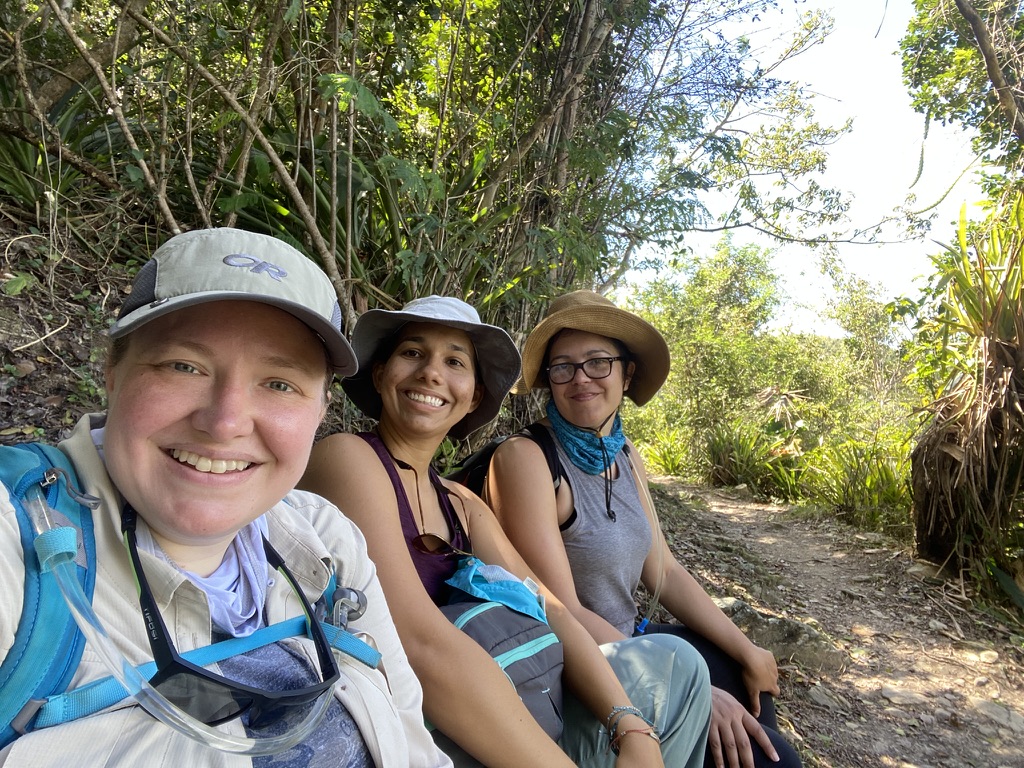
 Danielle Rivera